
RunStreak
RunStreak
RunStreak
As the sole UI/UX designer, I led the end-to-end design of RunStreak — from defining user flows and wireframes to creating high-fidelity UI and an interactive prototype that gamifies the running experience.
ROLE
CLIENT
PROJECT TYPE
TOOLS
Led the end-to-end UX design process, including research, wireframing, prototyping, and user testing for a self-initiated project.
UI/UX Designer
Personal Project
Sketch, Figma
RunStreak
RunStreak
RunStreak
RunStreak
RunStreak
As the sole UI/UX designer, I led the end-to-end design of RunStreak — from defining user flows and wireframes to creating high-fidelity UI and an interactive prototype that gamifies the running experience.
ROLE
CLIENT
PROJECT TYPE
TOOLS
Led the end-to-end UX design process, including research, wireframing, prototyping, and user testing for a self-initiated project.
UI/UX Designer
Personal Project
Sketch, Figma
The Challenge
Many running apps focus on stats and data, which can feel overwhelming or dry, especially for runners who crave motivation, community, and variety. The challenge was to design an app that makes habit tracking fun, adds social features, and helps users build healthier running habits through tailored plans.
Many running apps focus on stats and data, which can feel overwhelming or dry, especially for runners who crave motivation, community, and variety. The challenge was to design an app that makes habit tracking fun, adds social features, and helps users build healthier running habits through tailored plans.
The Challenge
Many running apps focus on stats and data, which can feel overwhelming or dry, especially for runners who crave motivation, community, and variety. The challenge was to design an app that makes habit tracking fun, adds social features, and helps users build healthier running habits through tailored plans.
Many running apps focus on stats and data, which can feel overwhelming or dry, especially for runners who crave motivation, community, and variety. The challenge was to design an app that makes habit tracking fun, adds social features, and helps users build healthier running habits through tailored plans.
The Challenge
Many running apps focus on stats and data, which can feel overwhelming or dry, especially for runners who crave motivation, community, and variety. The challenge was to design an app that makes habit tracking fun, adds social features, and helps users build healthier running habits through tailored plans.
Many running apps focus on stats and data, which can feel overwhelming or dry, especially for runners who crave motivation, community, and variety. The challenge was to design an app that makes habit tracking fun, adds social features, and helps users build healthier running habits through tailored plans.
I explored popular fitness apps and noticed:
Heavy focus on metrics, low focus on engagement
Few apps combined running, habit streaks, and personalized plans
Gamification (streaks, challenges) can significantly boost daily engagement
Research & Insight
I explored popular fitness apps and noticed:
Heavy focus on metrics, low focus on engagement
Few apps combined running, habit streaks, and personalized plans
Gamification (streaks, challenges) can significantly boost daily engagement
Research & Insight
I explored popular fitness apps and noticed:
Heavy focus on metrics, low focus on engagement
Few apps combined running, habit streaks, and personalized plans
Gamification (streaks, challenges) can significantly boost daily engagement
Research & Insight
RunStreak
RunStreak
As the sole UI/UX designer, I led the end-to-end design of RunStreak — from defining user flows and wireframes to creating high-fidelity UI and an interactive prototype that gamifies the running experience.
ROLE
CLIENT
PROJECT TYPE
TOOLS
Led the end-to-end UX design process, including research, wireframing, prototyping, and user testing for a self-initiated project.
UI/UX Designer
Sketch, Figma
Personal Project
The Challenge
Many running apps focus on stats and data, which can feel overwhelming or dry, especially for runners who crave motivation, community, and variety. The challenge was to design an app that makes habit tracking fun, adds social features, and helps users build healthier running habits through tailored plans.
Research & Insight
I explored popular fitness apps and noticed:
Heavy focus on metrics, low focus on engagement
Few apps combined running, habit streaks, and personalized plans
Gamification (streaks, challenges) can significantly boost daily engagement
Design Process
Ideation & Sketches:
Explored layouts for the home dashboard, streak tracker, and social features like Verses.Wireframes:
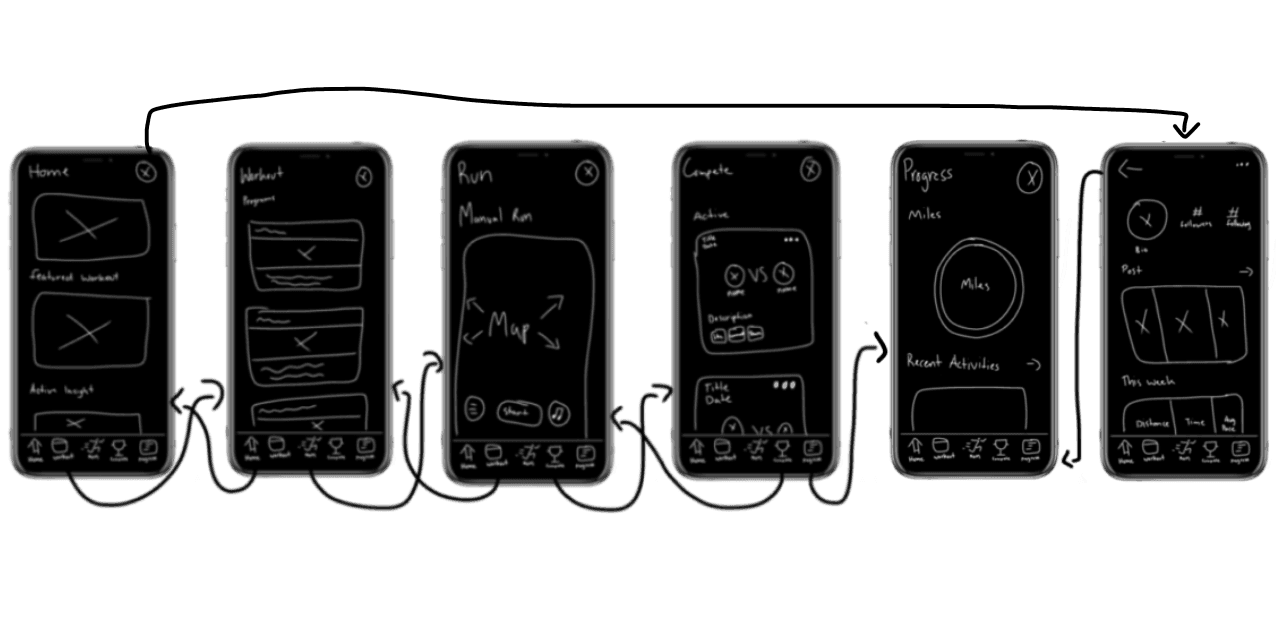
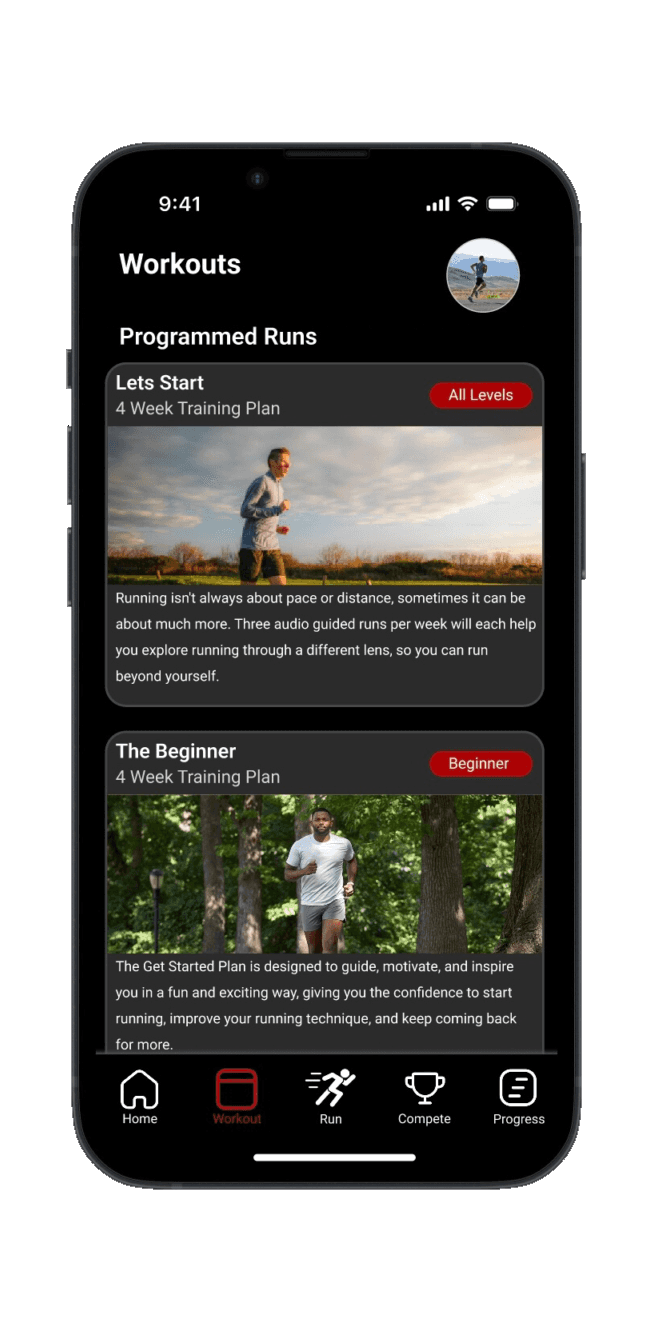
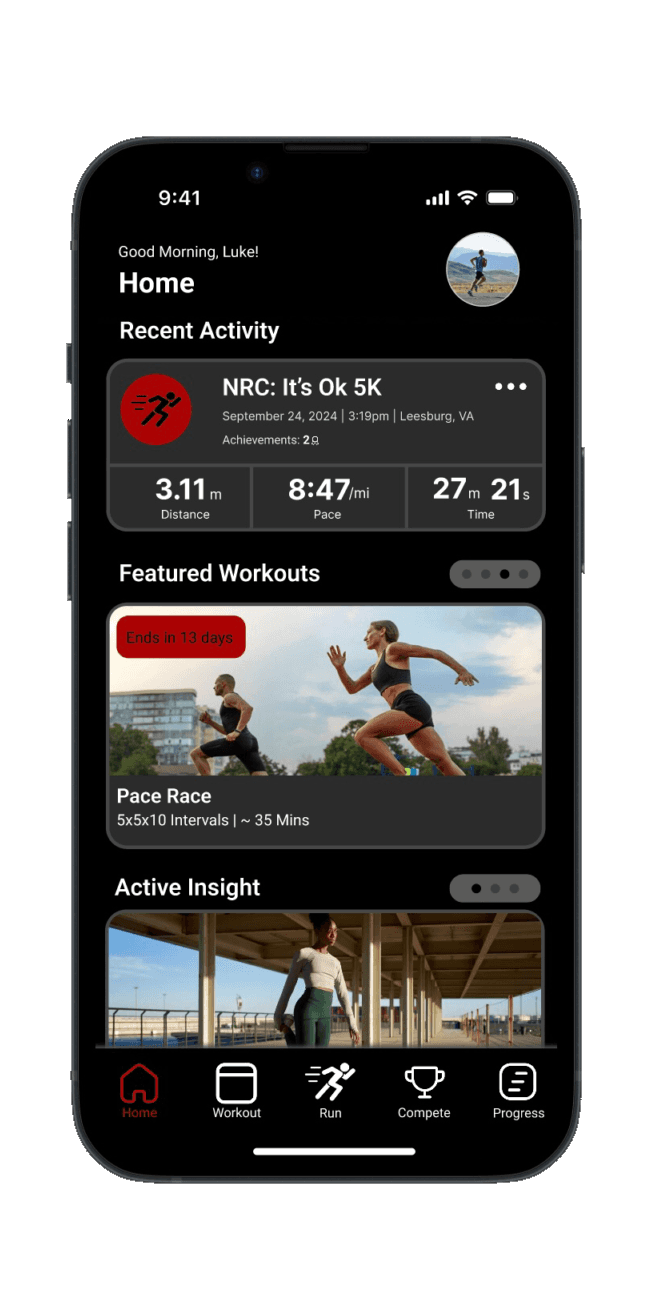
Outlined core screens: daily check-in, streak history, workout library, and Verses challenge.High-Fidelity UI:
Crafted a bold, energetic visual style to inspire daily use and highlight key features.
Key Features & Final Design
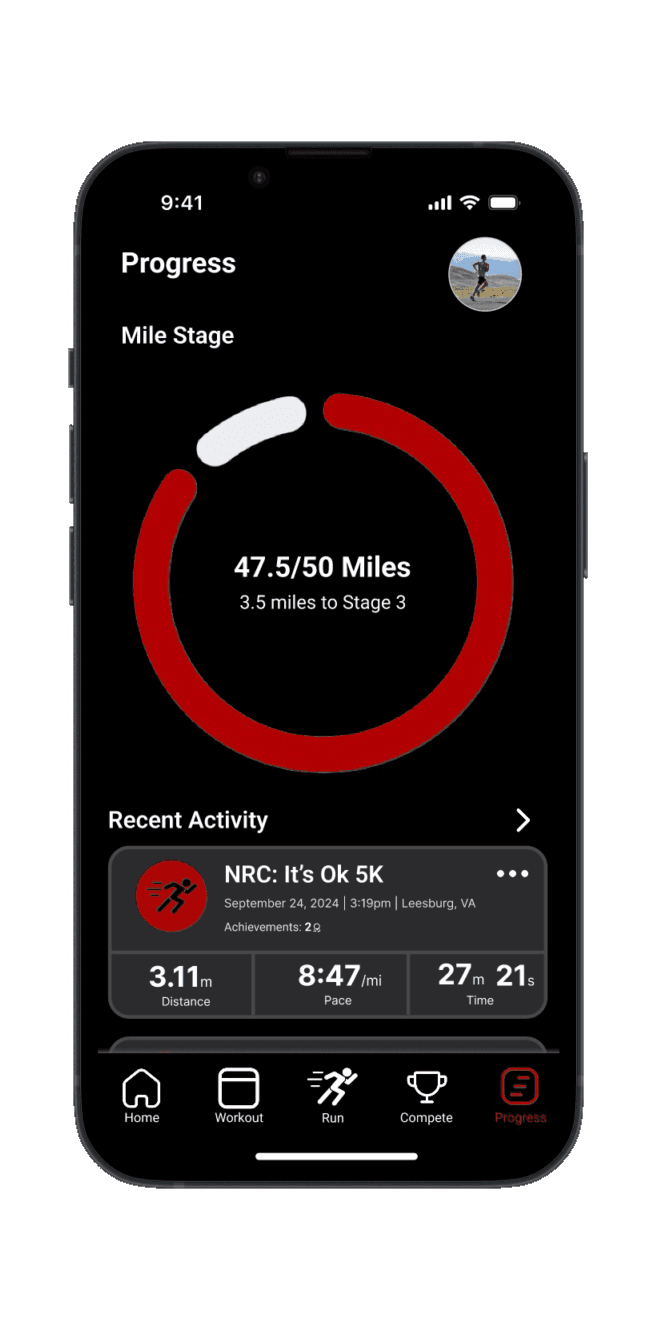
Streak Visuals: Daily run streaks visualized to keep users motivated.
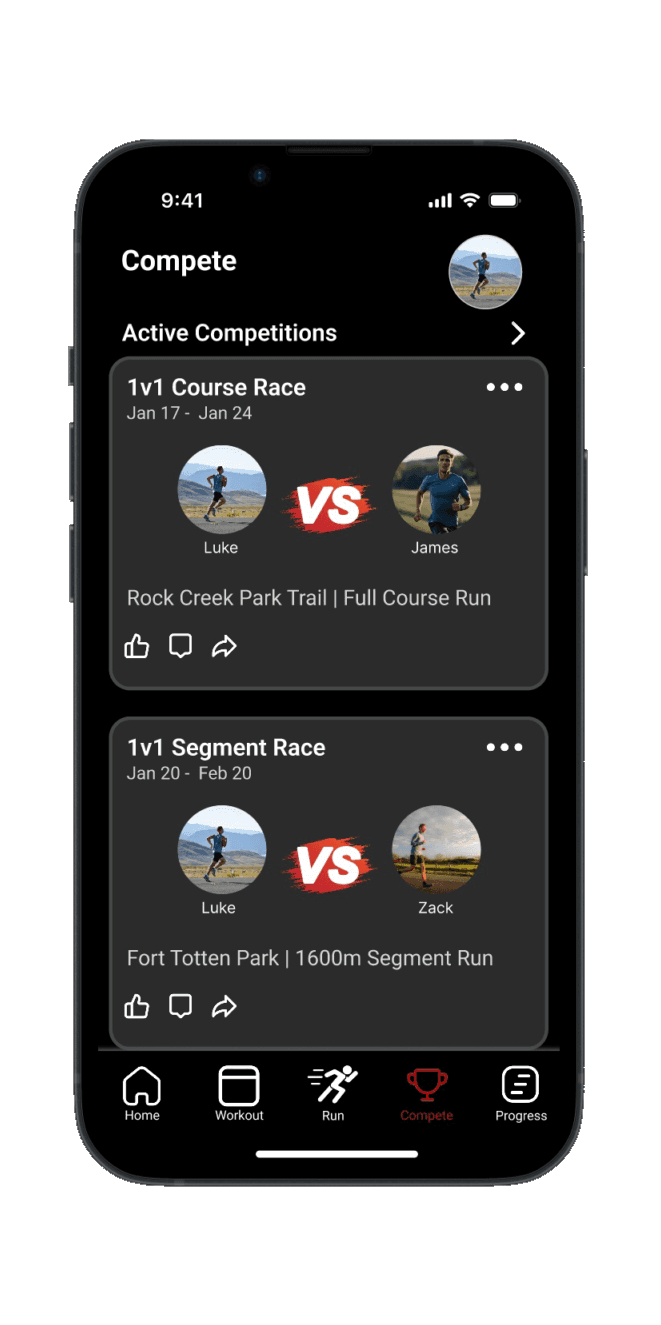
Verses: Social feature where users challenge friends to keep streaks alive.
Tailored Plans: Personalized workouts and meal suggestions to support running goals.
Clean, bold UI: Balanced clarity with a fun, energetic feel.
Key Features & Final Design
Streak Visuals: Daily run streaks visualized to keep users motivated.
Verses: Social feature where users challenge friends to keep streaks alive.
Tailored Plans: Personalized workouts and meal suggestions to support running goals.
Clean, bold UI: Balanced clarity with a fun, energetic feel.
Design Process
Ideation & Sketches:
Explored layouts for the home dashboard, streak tracker, and social features like Verses.Wireframes:
Outlined core screens: daily check-in, streak history, workout library, and Verses challenge.High-Fidelity UI:
Crafted a bold, energetic visual style to inspire daily use and highlight key features.
Design Process
Ideation & Sketches:
Explored layouts for the home dashboard, streak tracker, and social features like Verses.Wireframes:
Outlined core screens: daily check-in, streak history, workout library, and Verses challenge.High-Fidelity UI:
Crafted a bold, energetic visual style to inspire daily use and highlight key features.
Key Features & Final Design
Streak Visuals: Daily run streaks visualized to keep users motivated.
Verses: Social feature where users challenge friends to keep streaks alive.
Tailored Plans: Personalized workouts and meal suggestions to support running goals.
Clean, bold UI: Balanced clarity with a fun, energetic feel.
Design Process
Ideation & Sketches:
Explored layouts for the home dashboard, streak tracker, and social features like Verses.Wireframes:
Outlined core screens: daily check-in, streak history, workout library, and Verses challenge.High-Fidelity UI:
Crafted a bold, energetic visual style to inspire daily use and highlight key features.
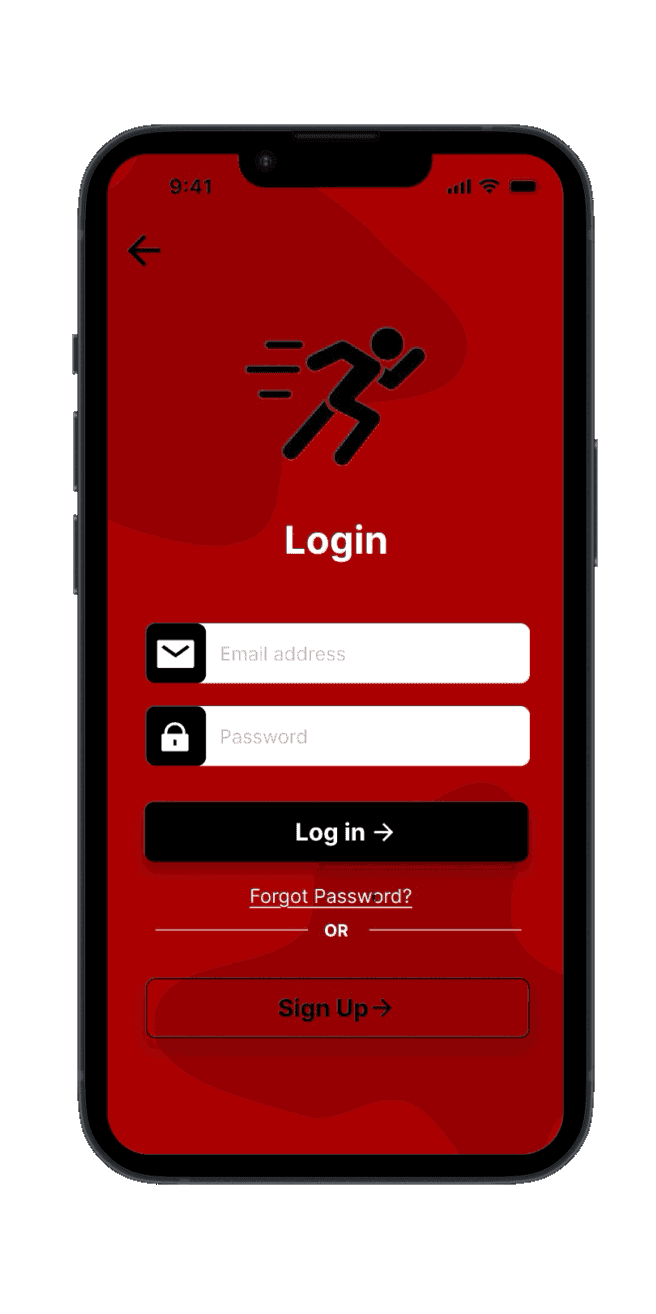
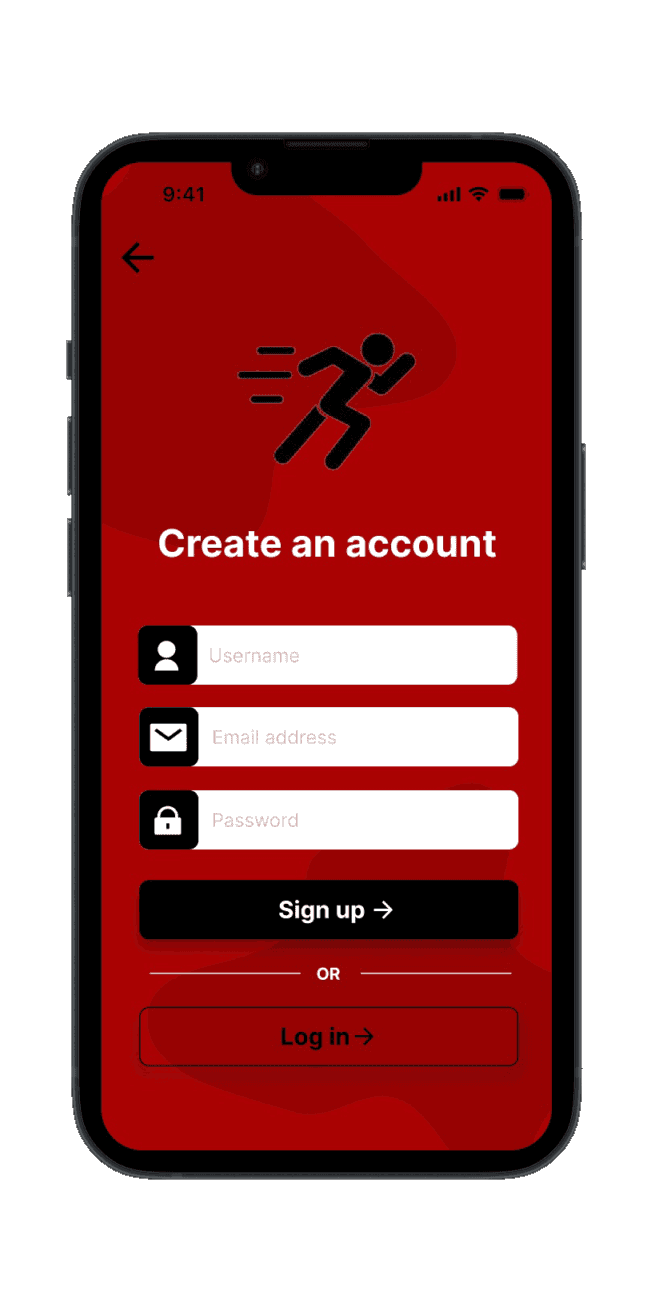
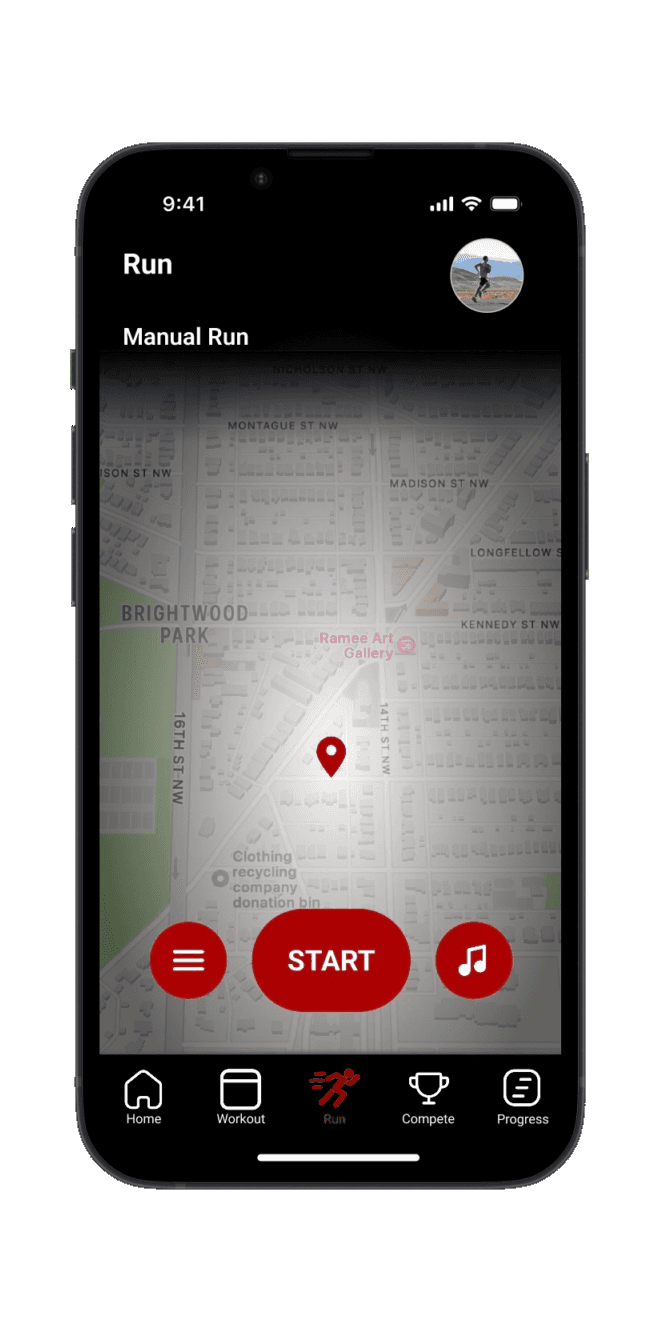
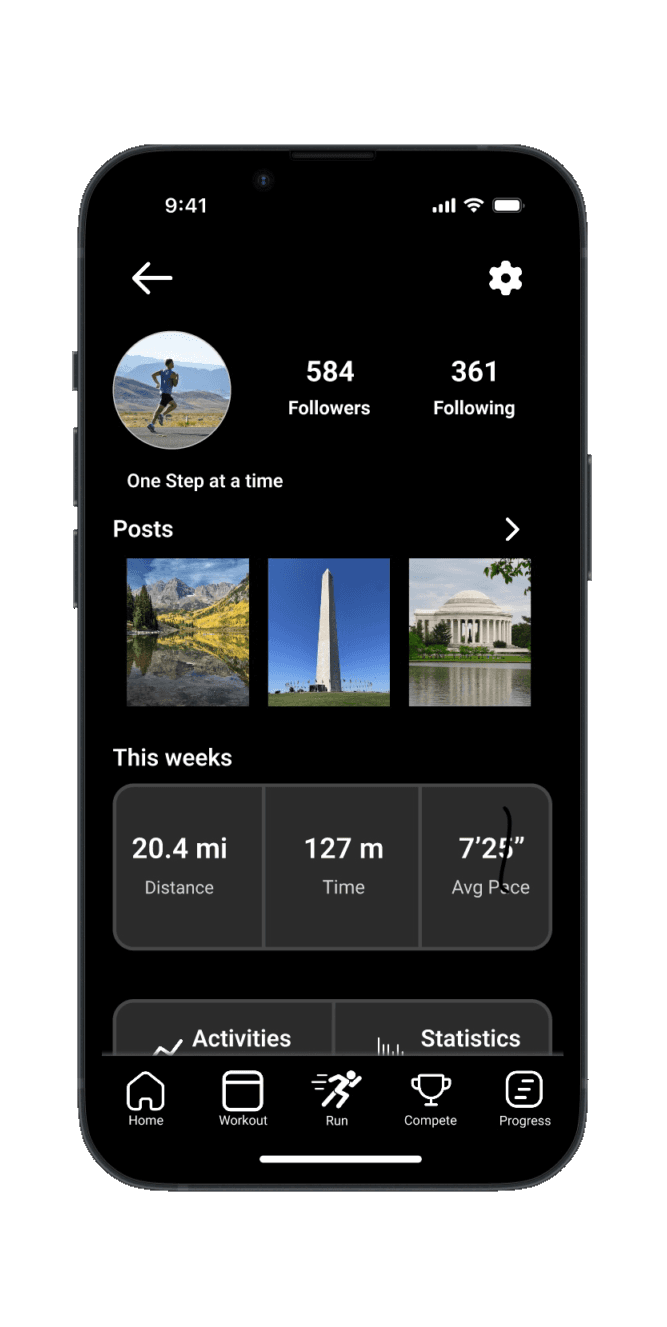
Wireframes
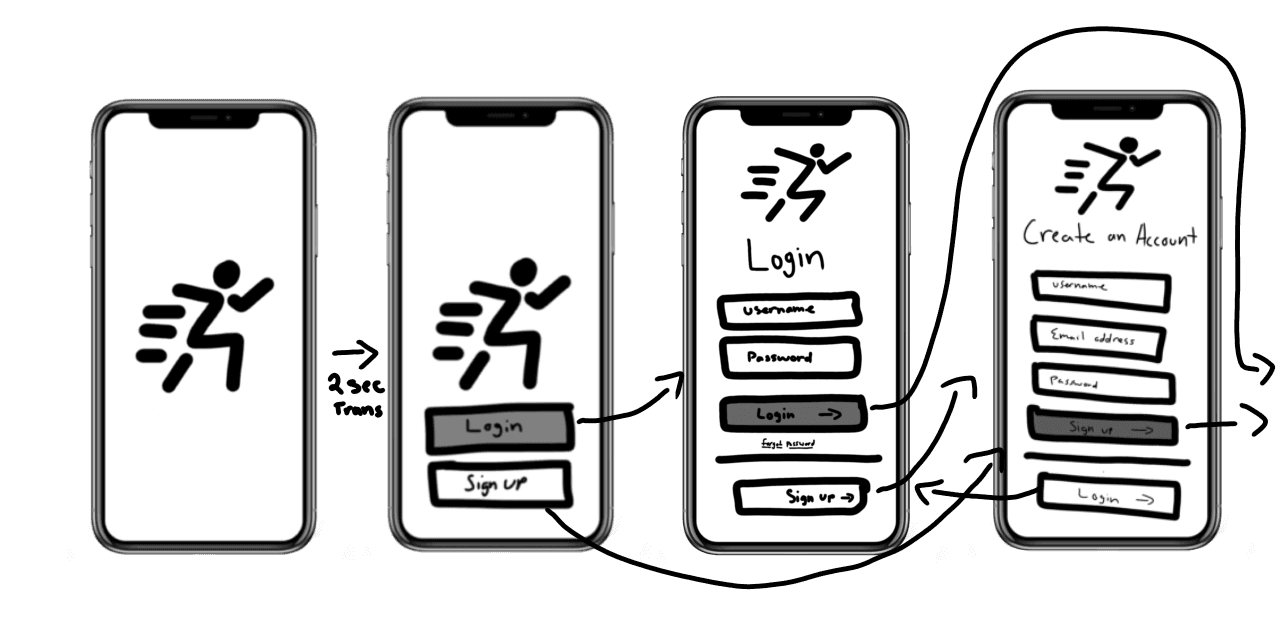
To define the wireframes, I first conducted user research to understand key needs, pain points, and behaviors. Then, I structured the information architecture and sketched low-fidelity layouts to explore different design solutions. Using Figma, I refined these into interactive wireframes, testing and iterating based on user feedback to ensure a seamless experience.
Outcome & Reflection
RunStreak offers a playful yet practical experience to help runners build consistent habits.
Through this project, I learned:
The importance of designing components first before full screens
How timelines improve productivity and focus
To finalize user flows and structure before polishing visuals
Next time, I’d space out my design process more strategically and work on overall usability before detailed visuals.
Outcome & Reflection
RunStreak offers a playful yet practical experience to help runners build consistent habits.
Through this project, I learned:
The importance of designing components first before full screens
How timelines improve productivity and focus
To finalize user flows and structure before polishing visuals
Next time, I’d space out my design process more strategically and work on overall usability before detailed visuals.
Outcome & Reflection
RunStreak offers a playful yet practical experience to help runners build consistent habits.
Through this project, I learned:
The importance of designing components first before full screens
How timelines improve productivity and focus
To finalize user flows and structure before polishing visuals
Next time, I’d space out my design process more strategically and work on overall usability before detailed visuals.
Nate Workneh ⏤ 2025